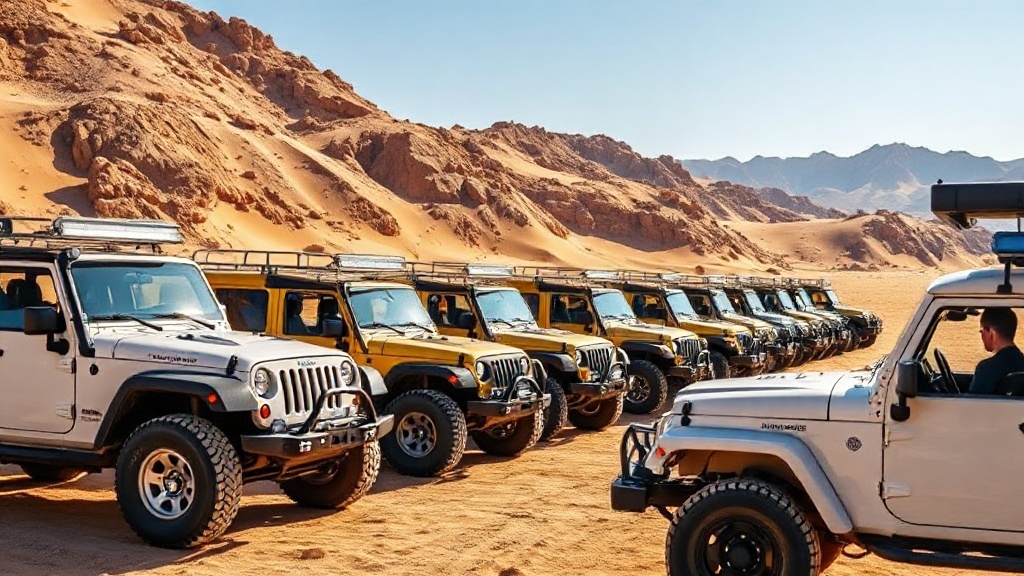
Your rental fleet is the heart of your business and the largest chunk of capital you have on the ground. Every Jeep and 4x4 you own represents thousands of dollars in purchase cost, build-out, and lost revenue every day it sits in the shop instead of out on a trail. Yet rental fleets face a brutal combination of risks: hard off-road use, inexperienced renters, remote staging areas, and standard auto policies that quietly exclude the exact way your vehicles are used.
This guide explains how to actually protect your fleet — the physical damage coverage you need, the exclusions that catch operators off guard, and the records that keep both your insurer and your bottom line happy.
What Rental Fleet Physical Damage Coverage Does
Physical damage coverage — comprehensive and collision, adapted for off-road and rental use — pays to repair or replace your vehicles when they're damaged. For a Jeep rental operation, this is the coverage standing between a single bad day and a major financial loss. It responds to the realities of your business:
- Rollovers and tip-overs on technical terrain
- Trail damage — body panel strikes, undercarriage hits, broken suspension, bent steering components
- Water damage from creek crossings and flash floods
- Fire from mechanical failure or environmental causes
- Theft and vandalism, including from remote staging areas and trailheads
- Renter-caused damage, from fender benders to abuse
Without dedicated fleet physical damage coverage, every one of these events comes straight out of your pocket — and out of the revenue the vehicle would have earned while it was being repaired.
The Off-Road Exclusion That Trips Up Operators
Here is the trap that catches new fleet owners: standard commercial and personal auto comp/collision policies routinely exclude off-road use. The vehicle may be insured for a parking-lot fender bender, but the moment it leaves the pavement — exactly where your business lives — the policy goes silent.
Some standard policies go further and exclude:
- Rental/for-hire use of the vehicle
- Use by anyone other than named drivers
- Damage during organized off-road events
A purpose-built fleet program for Jeep and 4x4 rentals must explicitly cover off-pavement operation and rental use. Always confirm this in writing. A policy that looks cheap but excludes off-road use is no policy at all for your business.
Theft From Staging Areas
Rental Jeeps spend a lot of time parked in places thieves love: remote trailheads, dirt lots near national parks, overnight staging areas without fences or cameras. Off-road vehicles are attractive targets — they're valuable, full of aftermarket parts, and often left in low-surveillance locations.
Comprehensive coverage handles theft and vandalism, but underwriters and smart operators both want to see loss-control measures:
- GPS trackers on every vehicle for recovery
- Hidden kill switches or immobilizers
- Secured, lit, or monitored staging where possible
- Key control procedures so keys aren't left in vehicles
These steps lower your claims, improve recovery odds, and frequently earn better premiums.
Renter-Caused Damage
When you hand the keys to a customer, you also hand them the ability to damage your asset. Renter-caused damage is one of the most common claims a rental fleet files. Your physical damage coverage should respond to it, but you also need business practices that protect you on the front end:
- A rental agreement that clearly assigns responsibility for damage and defines acceptable use
- A security deposit or damage waiver structure
- A documented pre- and post-rental inspection for every vehicle
- Clear rules on where the vehicle may go — which trails, what difficulty, no unauthorized routes
The inspection record is critical. Photos and a signed condition report at check-out and check-in establish exactly what damage the renter is responsible for, which protects you in disputes and supports a clean insurance claim.
Setting Limits to Match Fleet Value
A common and expensive mistake is under-insuring the fleet. Your physical damage limits should reflect what it actually costs to repair or replace each vehicle — including the lift kits, bumpers, winches, lights, tires, and other build-out that makes a rental Jeep trail-ready. A bone-stock valuation will leave you short exactly when you file a claim.
Work with your agent to:
- Schedule each vehicle at its true replacement cost, including modifications
- Choose a deductible that balances premium against your cash position
- Revisit limits as you add vehicles or upgrade builds
- Consider rental income / loss-of-use protection so a sidelined vehicle doesn't sideline your revenue
GPS, Telematics, and Inspection Records
The operators with the lowest losses — and often the best premiums — treat documentation as a core part of the business:
- GPS and telematics track location, recover stolen vehicles, and can flag risky driving on self-guided rentals
- Pre-rental inspection records with date-stamped photos protect you in every renter-damage dispute
- Maintenance logs show underwriters you run a tight, well-kept fleet
- Incident reports document any trail damage immediately and accurately
This paper trail does double duty: it strengthens your insurance claims and it demonstrates the kind of disciplined operation that earns you the best terms in the market.
Cover Your Fleet the Right Way
Your Jeeps work harder than almost any vehicles on the road — or off it. They deserve coverage built for that reality, not a standard auto policy that disappears the moment the tires leave the asphalt.
Contractors Choice Agency writes commercial Jeep and 4x4 rental fleet coverage in all 50 states. Call 844-967-5247 or request a quote through our online form, and we'll build a fleet program that actually pays when your vehicles take a hit.